A metal roof repair requires careful preparation to avoid expensive mistakes and dangerous situations. Property owners who rush into repairs without proper planning often face unexpected complications, safety hazards, and subpar results that require additional work later. Understanding how to prepare for metal roof repair transforms a potentially challenging project into a manageable task with predictable outcomes.
Proper preparation begins with recognizing the signs that your metal roof needs repair, such as loose panels, rust spots, damaged flashing, or water stains on interior ceilings. These indicators help determine the size of work required and what tools are needed for the repair.
Metal roofing system inspections done before a repair can reveal the extent of damage and identify potential safety concerns that could make the work more complicated. This assessment phase directly impacts material requirements, timeline estimates, and whether professional assistance becomes necessary. Thorough preparation also includes gathering appropriate tools, checking weather conditions, and implementing safety measures before any actual repair work begins.
Following established metal roof maintenance tips during the preparation phase prevents minor issues from becoming major problems and extends the lifespan of the repair work once it is completed.
Identifying the Warning Signs That a Repair is Needed
Recognizing warning signs early prevents small issues from turning into large structural problems. Visual inspection can reveal several issues that signal the need for quick professional evaluation and repair work.
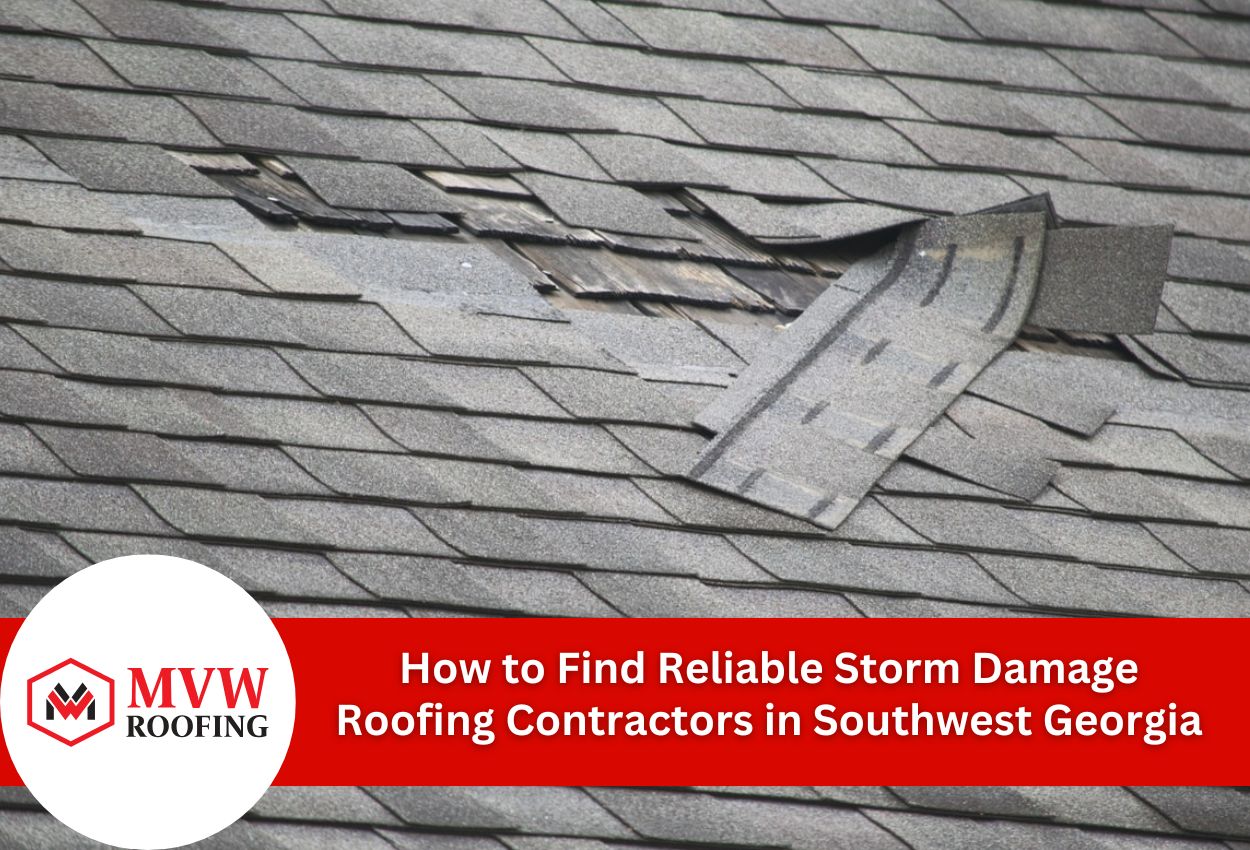
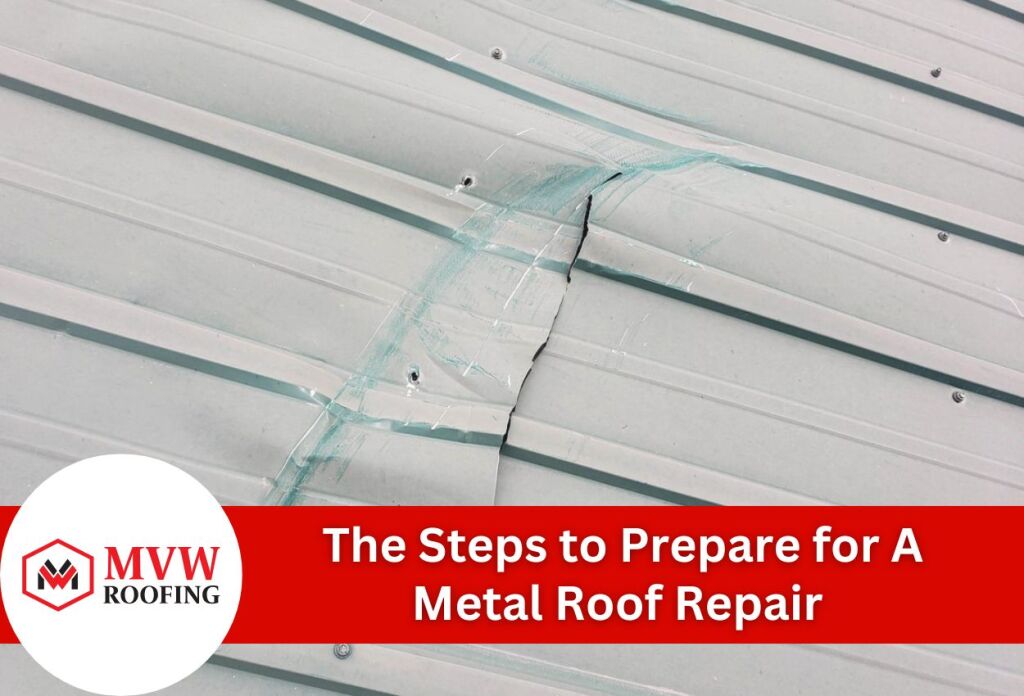
Rust spots are one of the most obvious signs that a metal roof needs repair, particularly around fastener locations and panel seams where moisture tends to accumulate. Loose or missing fasteners create entry points for water and wind, compromising the roof’s structural integrity. Damaged panels, including dents, cracks, or sections that appear warped or buckled, indicate potential points of failure that require immediate attention during a metal roof inspection before repair.
Interior warning signs often appear before exterior damage becomes visible to property owners. Water stains on ceilings or walls suggest compromised waterproofing that demands urgent investigation. Temperature fluctuations between rooms may indicate insulation problems caused by roof damage, while unusual sounds during wind or rain signal loose components that need securing.
Understanding these important indicators can help property owners determine when roof repair preparation steps become necessary. Regular monitoring of these symptoms supports effective metal roof maintenance tips and prevents emergencies that require extensive repairs.
Conducting a Thorough Pre-Repair Roof Inspection
An evaluation process reveals both visible and hidden damage that affects repair planning and material requirements. Professional contractors understand that skipping this phase leads to incomplete repairs and unexpected complications during work.
The exterior examination begins with a systematic assessment of panel condition across the entire roof surface. Walking the perimeter can help you find damage in more accessible areas, while binoculars help evaluate higher sections safely. Fastener integrity requires close attention, as loose screws or missing washers create an immediate risk of leaks. Flashing around chimneys, vents, and roof transitions often shows the first signs of failure and determines the tools that will be needed.
Interior inspection methods reveal damage that exterior assessments miss entirely. Attic spaces provide clear evidence of water infiltration through discolored insulation, rust stains, or rotted wood members. Structural concerns become apparent when examining support beams for sagging or stress cracks that could complicate repair work.
Getting the Right Tools and Materials
Successful metal roof repair depends heavily on having the correct tools and materials readily available before work begins. Professional contractors understand that inadequate preparation leads to project delays, safety risks, and substandard results that compromise long-term performance.
Essential hand tools include cordless drills with magnetic bit holders, metal snips for cutting panels, and adjustable wrenches for fastener work. Safety equipment is very important to have on hand. Fall protection harnesses, non-slip boots, cut-resistant gloves, and hard hats rated for construction work are just the basics that will keep you secure and safe while working on your roof in a DIY attempt. Other tools that are extremely helpful (and are almost necessary to get the job done correctly) are specialized instruments like digital calipers, which help measure existing panel thickness, and torque wrenches to ensure proper fastener tension during installation.
Careful attention should be paid to the material you use. Some metal roofing systems won’t be compatible with fasteners made of different metals, or the panels may not work with the particular system you have. Aluminum doesn’t react well to bare steel or copper, and copper doesn’t work well with steel or zinc. When exposed to water, these materials can start to corrode faster than expected, lowering your roof’s estimated 20 to 30-year expected lifespan. Replacement panels must match the profile, gauge, and coating system of the original materials to maintain structural integrity and weather resistance.
For humid climates, materials with enhanced moisture resistance and UV protection capabilities are required, not just recommended. Galvanized fasteners offer superior corrosion resistance in coastal areas, while specialized sealants maintain flexibility through temperature extremes. These tools needed for metal roof repair ensure repairs withstand regional weather patterns and extend service life beyond typical expectations.
Safety Protocols and Weather Considerations
Safety protocols are non-negotiable for any metal roof repair project, as working on elevated metal surfaces presents unique hazards that require specialized precautions. Professional contractors recognize that safety measures protect workers while ensuring the quality of the repair remains uncompromised throughout the duration of the project.
Harness systems designed for roofing work provide essential fall protection and require proper anchor points that distribute weight across the structure, rather than individual fasteners. These are especially important when work is being done on second-story (or higher) roofs. The placement of any ladder should have a secure footing on level ground and extensions that exceed the roof’s edge by about 3 feet. Emergency procedures include clear lines of communication, first aid accessibility for minor wounds, and an evacuation plan that accounts for potential weather changes or severe injuries that require professional medical help.
Metal surfaces become extremely slippery when wet and dangerously hot in direct sunlight, making timing important for safe working conditions. Temperature considerations affect both worker safety and material performance. During the installation process, it’s important to remember that the temperature and weather on or near the surface aren’t just a danger to your personal safety, it’s also dangerous to the roofing material as well. Heat causes metal expansion that complicates panel alignment and fastener installation, cold conditions make materials brittle and reduce sealant effectiveness, and high winds create dangerous working conditions that compromise precision and stability.
Preparing Your Property and Workspace for Repairs
Property preparation ensures metal roof repairs proceed smoothly while protecting valuable assets from potential damage during the work process. Contractors who neglect this important phase often face delays, liability issues, and damaged property that could have been easily prevented through proper planning and protective measures.
Landscaping protection requires covering delicate plants, flowers, and shrubs with tarps or plastic sheets to prevent damage from falling debris and foot traffic. Vehicles, outdoor furniture, grills, and decorative elements need to be temporarily relocated to prevent damage and provide clear access routes for equipment movement. During the repair process, they can be damaged as metal panels, fasteners, and tools can cause significant damage to these items during normal repair activities.
Access route planning becomes important when following roof repair preparation steps, particularly for material delivery and debris removal. Clear pathways allow efficient movement of replacement panels and safety equipment without damaging existing structures or creating safety hazards. Overhead obstacles such as power lines, tree branches, and awnings need to be assessed to ensure the proper clearance for ladder placement and panel maneuvering.
Communication with household members establishes realistic expectations regarding noise levels, restricted access areas, and project timeline requirements. Neighbors benefit from advance notice about potential noise disturbances and temporary parking limitations during material delivery periods. These metal roof maintenance tips help maintain positive relationships while ensuring repair work proceeds without unnecessary interruptions or complications that could compromise project quality and completion schedules.
Deciding Between Professional Contractors and DIY Approaches
Determining whether metal roof repair requires professional expertise or if a DIY completion can be done depends on several factors that directly impact safety, quality, and long-term performance. Property owners must honestly assess the project’s complexity, their personal skill levels, and potential structural and safety consequences before committing to either approach.
Complex repairs involving structural modifications, extensive panel replacement, or electrical components around roof gaps typically exceed DIY capabilities and require licensed professionals. Safety considerations are really the most important consideration, especially when working on steep slopes, at significant heights, or during challenging weather conditions that increase accident risks. On top of that, contractors will have specialized tools on hand already, saving you the cost of buying an expensive item for something you’ll only use a few times. Contractors also know local building codes. The combined upsides often justify a professional’s intervention to ensure compliance and proper execution while saving you money on not often-used tools, potential issues with local codes, and the chance of mistakes that would need to be redone.
Simple maintenance tasks such as replacing individual fasteners, applying sealant to minor leaks, or cleaning debris from gutters are well within a DIY approach when proper safety measures are implemented. Property owners with construction experience, appropriate tools, and who are comfortable with and can safely work in high locations can complete basic metal roof maintenance tasks without professional assistance. However, warranty considerations may require professional installation to maintain a valid coverage, as any work done to a roof that isn’t aligned with the manufacturer’s specifications can void a material warranty.
When speaking to roofing contractors, essential questions to ask include verifying their licensing, insurance coverage details, material warranty information, and timeline expectations for project completion. Proper preparation through metal roofing system inspection helps homeowners communicate specific concerns effectively and ensures contractors understand the full size of the work required for successful repairs.
Choose MVW Roofing for Expert Metal Roof Repair in Your Area
If you’ve noticed any signs of wear or damage on your metal roof, it’s important to address these issues quickly to avoid more extensive and expensive repairs down the line. At MVW Roofing, we specialize in identifying and fixing all common metal roof problems, from loose fasteners and rust spots to more severe structural concerns.
Don’t wait until it’s too late. Let our team of experts provide a comprehensive roof inspection and tailor a repair plan suited to your specific needs. Give us a call at (229) 821-3150 to schedule your roof assessment.