How to Fix Curling Shingles and Restore The Roof’s Protection
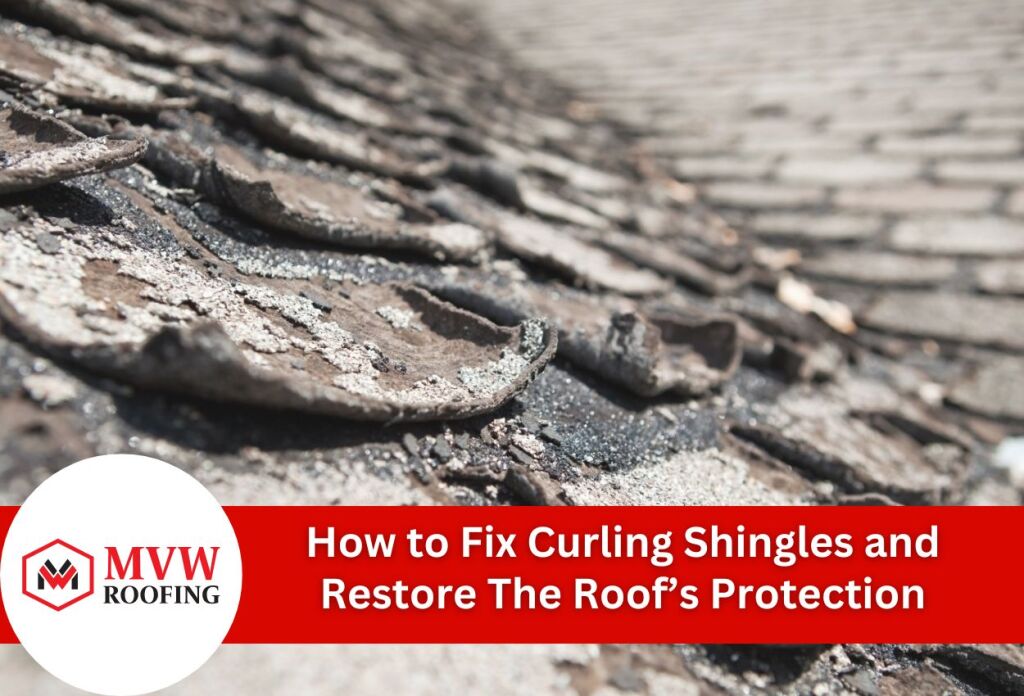
Curling shingles create a serious threat to any home’s structural integrity and weather protection. These damaged shingles lift at the edges or corners, creating gaps where water can get in and cause extensive damage to the underlying roof structure. Homeowners often notice curling shingles as edges that appear to bend upward or corners that have lifted away from the roofing surface, resembling potato chips or waves across the roofline.
Several factors contribute to shingle curling, including age, poor ventilation, manufacturing defects, and extreme weather conditions. Asphalt shingle maintenance becomes critical when curling occurs, as these compromised shingles no longer provide adequate protection against rain, wind, and debris. The exposed areas underneath curled shingles allow moisture to seep into the roof deck, potentially leading to rot, mold growth, and interior water damage.
Effective shingle repair techniques can address minor curling issues, while severe cases may require complete roof shingle replacement. Homeowners can handle simple repairs involving individual shingles, but extensive curling across large roof sections typically requires professional intervention. Understanding when to tackle repairs independently vs. calling a roofing specialist helps prevent expensive mistakes and ensures proper restoration of the roof’s protective barrier.
What Causes Shingles to Curl and Lift?
Understanding the root cause behind shingle curling helps homeowners identify problems early and implement appropriate shingle repair techniques. Two primary factors contribute to this common roofing issue that affects countless homes across residential areas.
Age-related deterioration represents the most common cause of curling shingles. Over time, asphalt shingles naturally lose their flexibility as the oils and compounds that keep them pliable begin to break down. This normal wear process typically begins after 15 or 20 years, causing shingles to become brittle and rigid. As the material hardens, edges start lifting and curling upward, creating the characteristic potato chip appearance. Regular asphalt shingle maintenance can slow this process, but eventual roof shingle replacement becomes necessary as aging accelerates.
Poor attic ventilation is the second major factor in shingle curling. When hot air becomes trapped in attic spaces without proper ventilation systems, excessive heat builds up and radiates through the roof deck. This intense heat exposure causes shingles to dry out prematurely and warp, leading to curling edges and corners. Temperatures in poorly ventilated attics can exceed 160 degrees Fahrenheit, essentially baking the shingles from underneath. Installing adequate intake and exhaust vents helps regulate attic temperatures and serves as an effective method for preventing shingle damage before curling begins.
Essential Tools and Materials for Shingle Repair
Successful shingle repair techniques require specific tools and materials that enable homeowners to safely address the curling shingle problem. Having the right equipment before starting any asphalt shingle maintenance project ensures efficient work and prevents additional damage to surrounding roofing materials.
Basic hand tools form the foundation of any roof shingle replacement project. A roofing hammer with a straight claw provides the necessary leverage for removing damaged nails without tearing surrounding shingles. Flat pry bars help lift curled edges gently and remove stubborn shingles that resist standard pulling methods. Sharp utility knives cut through old sealant and trim replacement shingles to the proper dimensions. A nail puller specifically designed for roofing work extracts broken or bent nails cleanly from the roof deck.
Quality roofing materials ensure lasting repairs that match existing roofing systems. Replacement shingles must match the current roof’s color, style, and thickness to maintain proper weather protection and visual consistency. Roofing cement creates waterproof seals around repaired areas and secures loose shingle edges back to the roofing surface. Galvanized roofing nails resist rust and corrosion while providing secure attachment points for new shingles. Selecting materials that complement the existing roofing system prevents future problems and maintains the structural integrity needed to prevent shingle damage. Professional-grade materials typically offer better longevity than basic hardware store alternatives.
The Shingle Replacement Process
Proper shingle replacement requires careful attention to both removal and installation techniques to ensure lasting repairs. Safe removal begins with working on cool, dry days when shingles remain flexible and less likely to crack during handling. Starting with the damaged shingle, carefully lift the edges of overlapping shingles above the target area using a flat pry bar. Remove the nails securing the curled shingle by sliding the pry bar underneath and gently pulling upward to avoid tearing surrounding materials. Extract the damaged shingle by sliding it downward and out from under the upper course, taking care not to disturb adjacent shingles that remain in good condition.
Installing replacement shingles follows a precise sequence that ensures proper weather protection through correct nail placement and sealing procedures. Position the new shingle in the exact location of the removed piece, aligning it with surrounding shingles to maintain consistent spacing and overlap patterns. Secure the replacement using four galvanized roofing nails placed approximately 1 inch from each side edge and 5 ½ inches from the bottom edge. Apply a small amount of roofing cement under the edges of overlapping shingles above the repair area, pressing down firmly to create weatherproof seals. These shingle repair techniques restore the roof’s protective barrier and prevent water infiltration that leads to structural damage.
Temporary Fixes for Minor Curling Issues
When dealing with slightly lifted shingle edges that haven’t progressed to severe curling, temporary repair solutions can effectively prevent further deterioration while homeowners plan for repairs. These approaches work best on newer roofs where curling remains limited to isolated areas rather than widespread sections.
Applying roofing cement provides an immediate solution for securing loose shingle edges back to the roof surface. Clean any debris or loose granules from the curled area before applying a thin layer of roofing cement underneath the lifted edge. Press the shingle down firmly against the roof deck and hold for several seconds to ensure proper adhesion. Apply cement sparingly to avoid creating thick buildup that interferes with water drainage patterns. This technique works effectively when temperatures remain moderate, as extreme heat or cold can affect the cement’s bonding properties. Check the repaired areas after heavy weather to ensure the temporary fix remains secure.
During sunny afternoons when shingles become warm and pliable, gently press curled edges down against the roof surface while the material remains flexible. The combination of solar heating and gentle pressure often allows slightly curled shingles to conform back to their proper shape. This approach works best as part of ongoing asphalt shingle maintenance routines rather than permanent solutions for preventing shingle damage.
Preventing Future Shingle Curling Problems
Implementing proactive measures prevents shingle curling before it compromises roof integrity and helps extend the lifespan of asphalt roofing systems. Two key prevention strategies address the primary cause of shingle curling while reducing long-term maintenance requirements.
Proper attic ventilation systems regulate temperature and moisture levels that directly impact shingle longevity and performance. Installing balanced intake vents along eaves and exhaust vents near ridge lines creates natural airflow that prevents excessive heat buildup underneath roofing materials. Ridge vents, soffit vents, and gable vents work together to maintain consistent air circulation throughout attic spaces. Adequate ventilation keeps attic temperatures within acceptable ranges and prevents the extreme heat that accelerates shingle deterioration and curling.
Regular inspection schedules can catch the curling of shingles early, before they require extensive shingle replacement. Conducting thorough roof inspections twice a year, preferably during spring and fall seasons, helps identify loose or lifting shingle edges while problems remain manageable. Look for shingles showing early signs of curling, missing granules, cracked surfaces, or loose edges that indicate deterioration. Document any changes between inspections to track progression rates and plan appropriate shingle repair techniques. Professional inspections every 1 to 2 years complement homeowner evaluations and ensure comprehensive asphalt shingle maintenance that protects roofing investments effectively.
When to Call Professional Roofers for Help
Certain roofing situations require professional expertise and specialized equipment that exceed the capabilities of standard homeowner shingle repair techniques. Recognizing these circumstances prevents dangerous accidents and ensures comprehensive repairs that restore proper roof functionality.
Safety considerations become paramount when dealing with steep roofs, extensive damage, or hazardous working conditions that require professional intervention. Roofs with pitches exceeding 6:12 create significant fall risks that demand proper safety equipment and training that most homeowners lack. Professional roofing contractors possess specialized harnesses, scaffolding systems, and ladder stabilizers necessary for secure access to challenging roof areas. Extensive curling damage spanning multiple roof sections requires coordinated repair efforts using professional-grade tools and materials that ensure uniform results. Weather-related damage from storms or high winds often creates unstable roof conditions where walking surfaces may have compromised the structural integrity underneath.
Signs of widespread shingle failure indicate problems that go beyond simple asphalt shingle maintenance and require complete roof shingle replacement rather than isolated repairs. Multiple areas showing simultaneous curling, cracking, or granule loss suggest systemic issues affecting the entire roofing system. Sagging roof decking, visible daylight through roof boards, or water stains on interior ceilings signal structural damage requiring immediate professional assessment. When preventing shingle damage becomes impossible due to advanced deterioration, professional roofing contractors can evaluate whether targeted repairs remain viable or a complete replacement offers the most cost-effective long-term solution.
Protect Your Home with Expert Shingle Repair from MVW Roofing
If you’ve noticed the shingles on your roof starting to curl and lift, it’s important to address this issue quickly to maintain your home’s protection against weather and water damage. Curling shingles can lead to significant roofing failures, including leaks that can cause extensive interior damage. While some minor curling can be managed with DIY methods, such as using roofing cement, these are only temporary solutions.
For lasting repairs, professional intervention is often necessary, especially if the damage is widespread or the roof is steep and hard to navigate safely. MVW Roofing specializes in diagnosing and repairing curled shingles, ensuring your roof remains in top condition to protect your home. Call us today at (229) 821-3150 to schedule a consultation and get your roof back to its best!