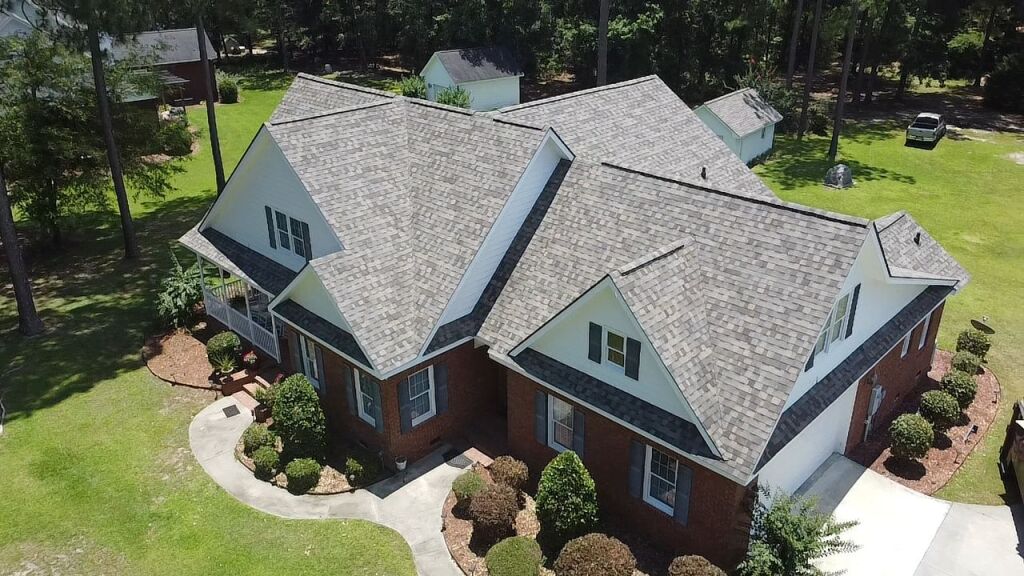
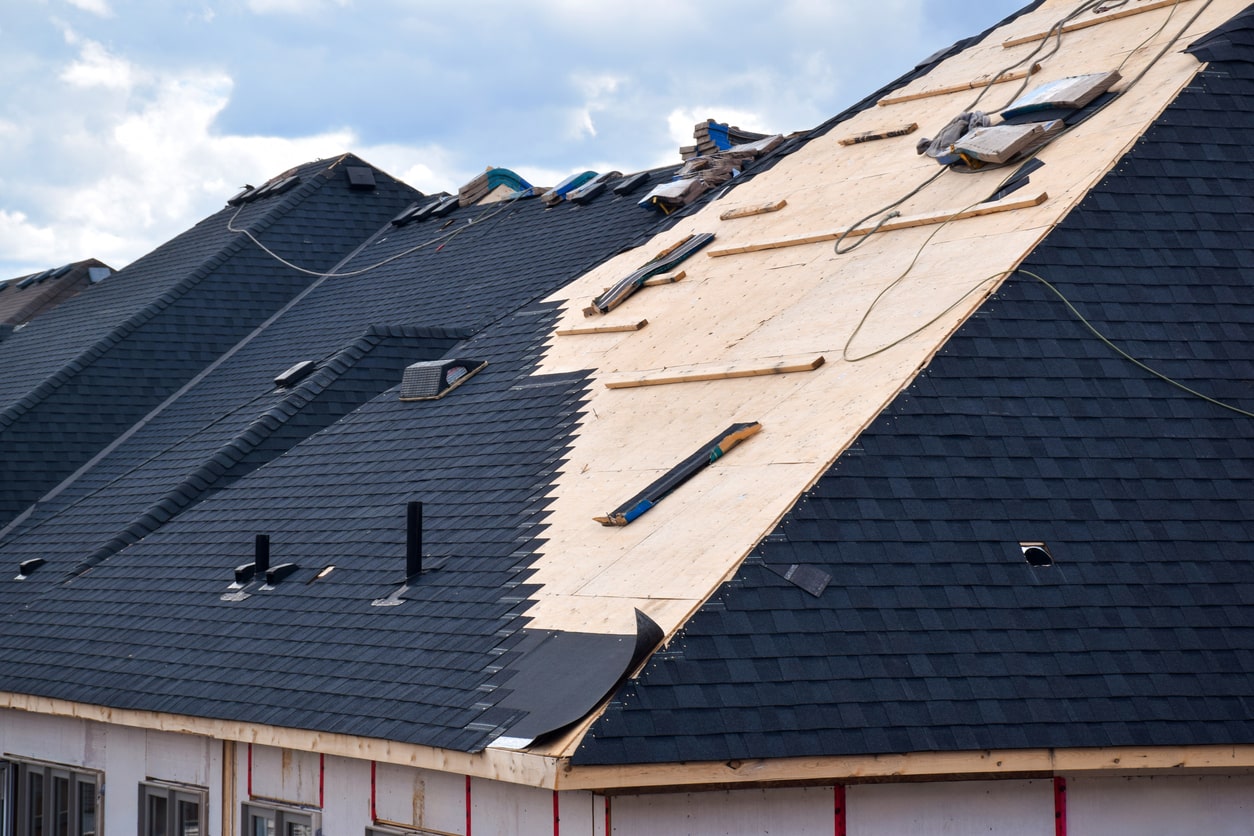
Residential Roof Repair in Leesburg, GA
Leesburg's humid climate takes a steady toll on asphalt shingle roofs. High humidity levels keep roofing materials damp longer after rain, creating ideal conditions for moss and algae growth that can lift shingle edges and expose underlayment. Intense summer heat causes shingles to dry out and become brittle, while seasonal temperature swings make roofing materials expand and contract throughout the year. Over time, this movement loosens fasteners, cracks sealant bonds, and creates gaps where water seeps through. When you add frequent afternoon thunderstorms and periodic high winds to the mix, even small damage turns into persistent leaks that threaten ceilings, insulation, and framing.
Professional repairs to residential roofing systems address these issues before they compromise your home's structure. MVW Roofing has worked throughout Lee County for years, repairing everything from aging 1970s ranch homes to newer construction. We understand how local weather affects different roofing materials and know which repairs hold up against the conditions your roof faces. Whether you're dealing with missing shingles after a storm, visible leaks in your attic, or early signs of wear around flashing and vents, fast repair protects your home from moisture damage and extends the life of your existing roofing system.
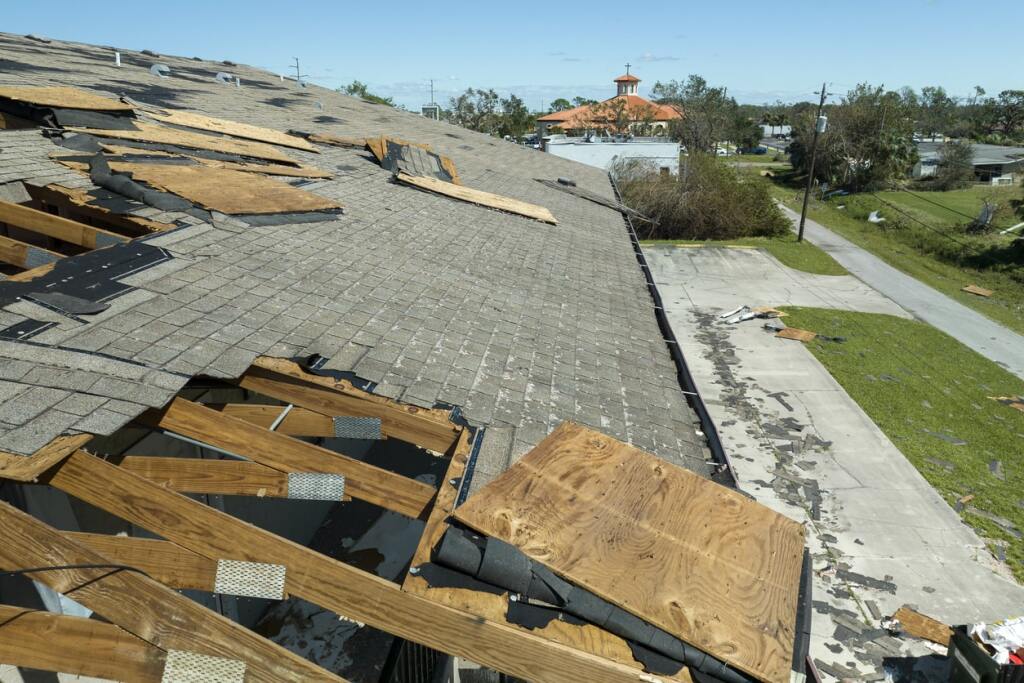


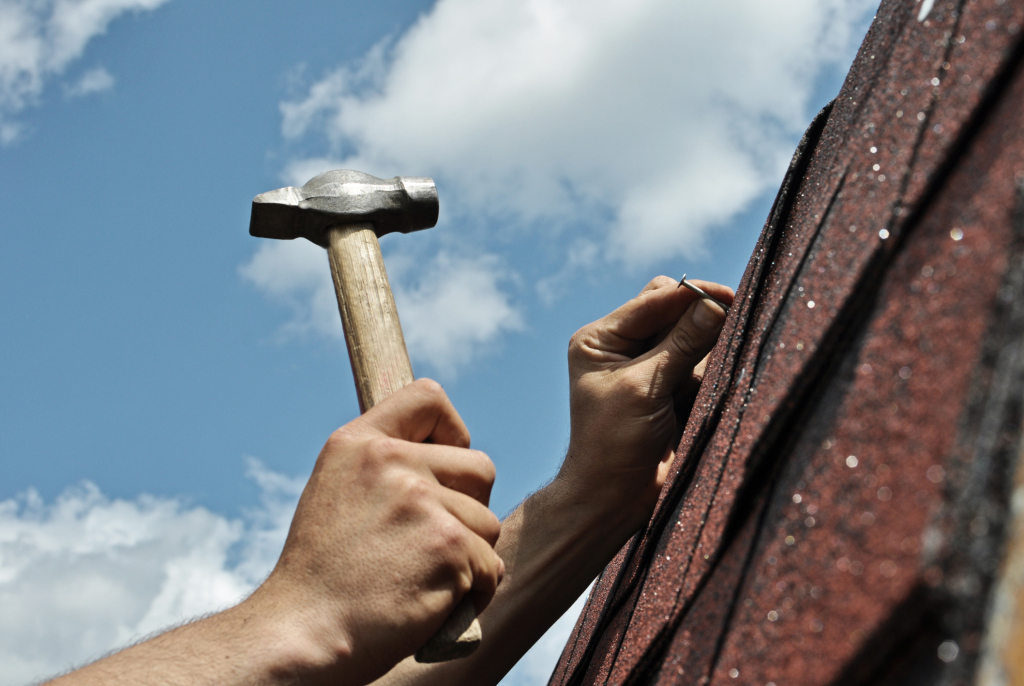
Protecting Your Home in Leesburg, GA
Addressing roof damage early prevents the kind of long-term problems that affect your home's structure and value. A small leak that soaks insulation or rots roof decking costs far more to fix once the damage spreads beyond the original trouble spot. When you maintain your roof with fast repairs, you avoid unexpected expenses and keep your home protected against the weather conditions that challenge every roof in this area. Scheduling repairs during mild weather in spring or fall gives materials the best conditions to bond and seal properly.
MVW Roofing helps homeowners throughout the area protect their investment with straightforward repair work that solves problems without unnecessary complications. When you're ready to address roof damage or want a professional to inspect your concerns, reach out to schedule a visit. We'll give you an honest evaluation and a clear path forward.
Our Repair Process in Leesburg, GA
Roof damage can create stress and uncertainty. This process provides a clear view of the problem, the necessary repairs, and what to expect from start to finish.
- Step 1: Problem Inspection
The surface of the roof, flashing, and gutter integration are examined to identify the exact source of the leak. This inspection determines whether the damage is isolated or affects multiple areas of the roof. - Step 2: Diagnosis and Options
Findings are explained in plain language, along with practical repair options. If a targeted repair resolves the issue, that approach is recommended. If the damage is extensive or the roof is near the end of its service life, replacement is advised. - Step 3: Detailed Repair Plan and Quote
A transparent breakdown is provided of the required work, the materials to be used, and the total cost with no hidden fees. The repair tasks and expected timeline are explained so planning can be done with confidence. - Step 4: Professional Repair
Repairs are completed in accordance with local building codes for wind resistance. Most repairs are finished within a few hours to one day, depending on damage severity and roof access. - Step 5: Quality Check and Walkthrough
A final walkthrough confirms that all repairs meet standards. Debris is cleared, and the property is returned to its pre-repair condition. The property owner sees exactly what was completed before the project is considered finished.
Common Repair Triggers in Leesburg, GA

Your roof shows its age in predictable ways, especially if your home was built between the 1970s and 2000s. Asphalt shingles naturally lose protective granules after years of sun exposure and rain, leaving bare spots that absorb moisture and crack. Flashing around chimneys and vents pulls away from seams as roofing materials expand and contract with temperature changes. Gutters that fail to drain properly keep moisture sitting along roof edges, rotting fascia boards, and working water back under shingles. These problems rarely happen in isolation, which is why we look at the entire system when diagnosing leaks.
- Missing or Cracked Shingles: High winds lift edges that have lost their sealant bond, and brittle shingles snap during storms. You'll often find pieces in gutters or scattered in your yard after strong weather.
- Damaged Flashing: Gaps around vent pipes, skylights, and chimneys allow water to run straight into attic spaces. Rust, separation, and poor original installation all contribute to flashing failures.
- Gutter Problems: Clogs, sagging sections, and detached downspouts prevent drainage, forcing water to back up under shingle edges and saturate roof decking.
- Visible Granule Loss: When you see dark patches on your roof or piles of granules in downspouts, shingles are wearing through their protective layer and becoming vulnerable to leaks.
- Interior Water Spots: Stains on ceilings or walls indicate active leaks that need immediate attention before they damage insulation and framing.
OUR TRUSTED PARTNERS





Frequently Asked Questions
How soon after a storm should I call for a roof inspection in Leesburg? chevron_right
You should schedule an inspection within a week or two if you notice visible damage like missing shingles or debris impact, but don't feel pressured to call the same day unless you see active leaking inside your home. Waiting a few days allows you to observe whether water spots appear on ceilings or walls, which helps pinpoint problem areas more accurately. If your roof is older than 15 years, it's smart to have us check for hidden damage even if everything looks fine from the ground, since older shingles can suffer compression damage that isn't immediately visible.
What makes flashing repairs fail faster in South Georgia compared to other regions? chevron_right
The combination of intense UV exposure and high humidity in Leesburg breaks down the sealants used around flashing much faster than in cooler or drier climates. When sealant degrades, gaps open between the metal and shingle, allowing moisture to work its way underneath during our frequent afternoon thunderstorms. We use sealants rated for the heat and moisture levels your roof actually experiences, not generic products that might work fine in other parts of the country but fail quickly here.
Should I repair my roof now or wait until I'm ready to replace the whole system? chevron_right
If your roof is less than 12 years old and damage is isolated to one area, repairing now makes financial sense and buys you several more years of protection. Once a roof reaches 15 to 20 years old with multiple problem spots, repeated repairs often cost more in the long run than replacement, especially if leaks have already damaged the roof decking or insulation. We'll look at the overall condition during our inspection and tell you honestly whether repair or replacement gives you better value based on what we find.
Why Choose MVW Roofing?
When it comes to protecting your greatest investment, MVW Roofing stands apart with our industry-leading 50-year workmanship warranty. Our expert team delivers premium roofing services and complete exterior solutions throughout Southwest Georgia. From precise gutter replacements to professional skylight installations, we handle every aspect of your project with meticulous attention to detail. Our certified specialists understand our local climate, ensuring your home stays beautiful and protected for decades. Choose MVW Roofing for exceptional quality, honest communication, and peace of mind that lasts a lifetime.